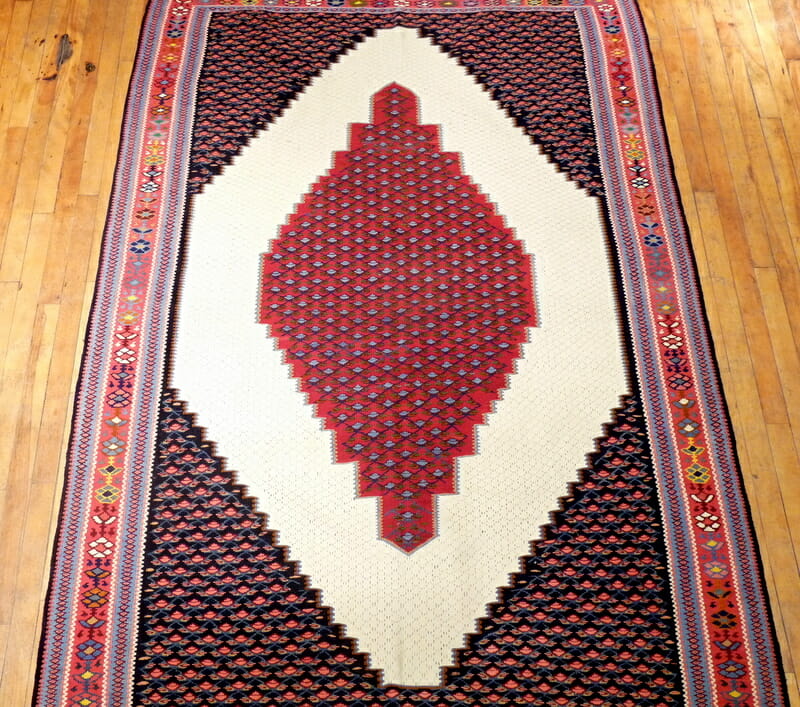
Soumak Rugs: The Flat Weave That Looks Embroidered
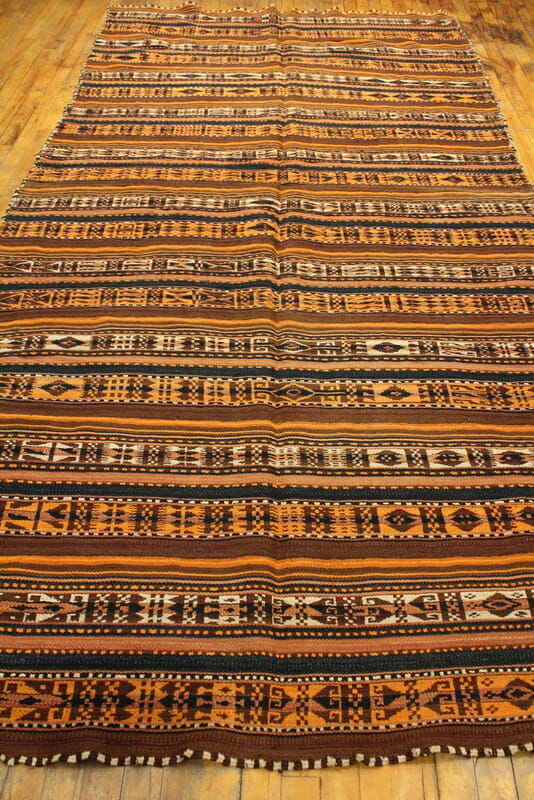
Soumak (Sumak) rugs explained: the weft-wrapping technique, where the name comes from, how to tell a Soumak from a Kilim, and how to live with one.
Read MoreSoumak (Sumak) rugs explained: the weft-wrapping technique, where the name comes from, how to tell a Soumak from a Kilim, and how to live with one.
Read MoreKilim rugs explained: how flat weaving works, why the patterns are geometric, what the motifs mean, Kilim versus pile rugs, and the best ways to use one.
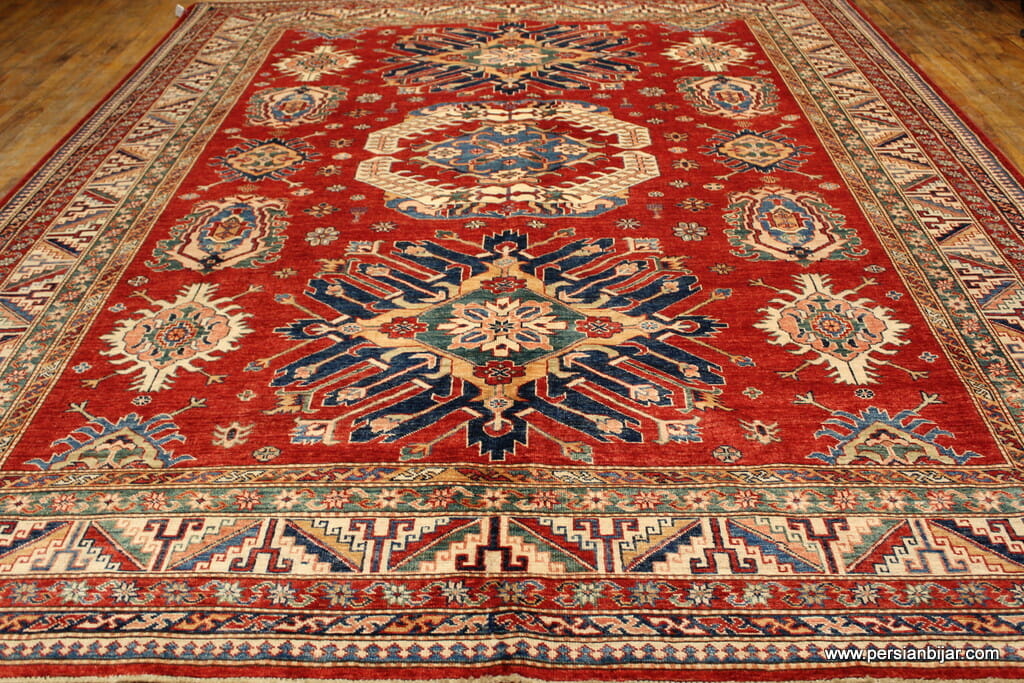
Read MoreA guide to Kazak rugs: the Caucasian origins, antique versus newer Afghan and Pakistani Kazaks, the classic motifs, and where they work best at home.
Read MoreGabbeh rugs explained: the Qashqai and Luri nomads who weave them, the thick wool pile and simple designs, Kashkuli and other types, and care tips.
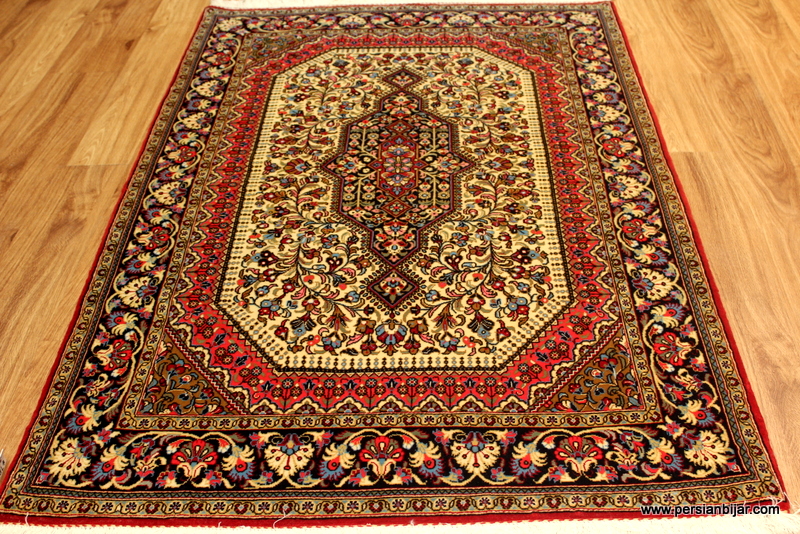
Read MorePersian Qum (Qom) rugs explained: pure silk and wool-and-silk pieces, garden and medallion designs, how to judge quality and how to live with silk.
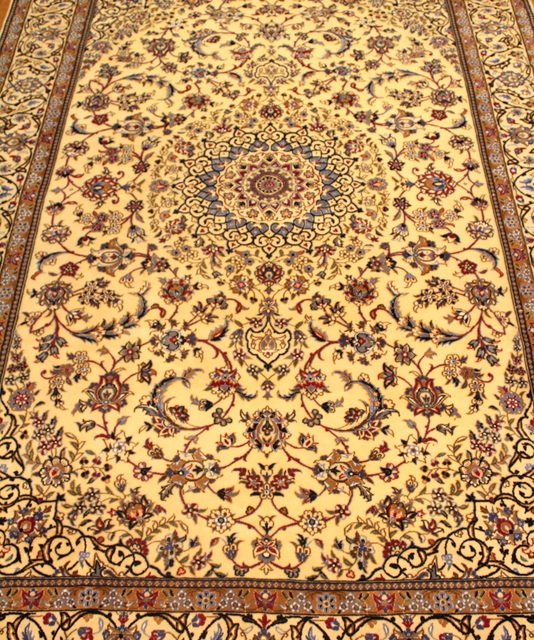
Read MoreA guide to Persian Nain rugs: the ivory and blue palette, silk highlights, what the 4La, 6La and 9La grades mean, and how to choose and care for one.
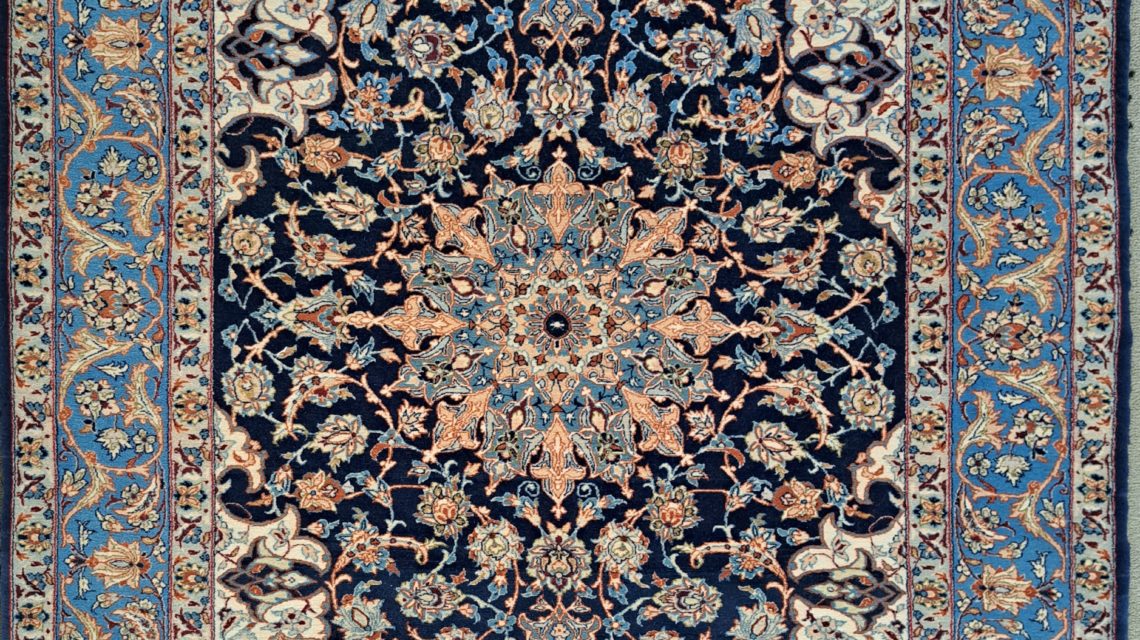
Read MoreWhy Persian Isfahan rugs rank among the finest: silk foundations, high knot counts, Shah Abbas designs, and how Isfahan differs from Nain and Kashan.
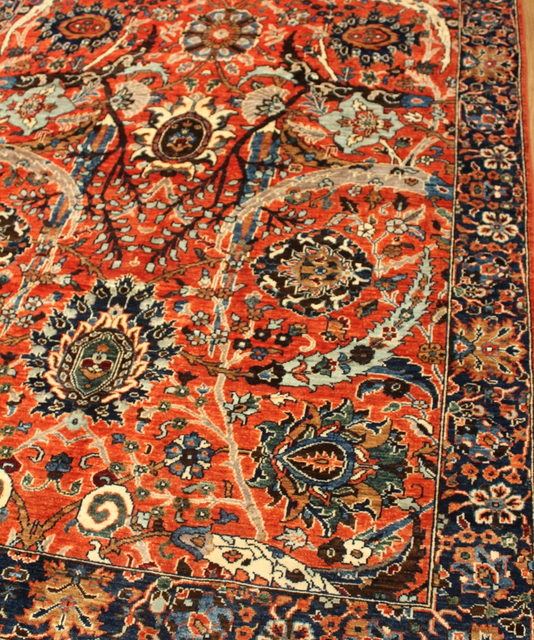
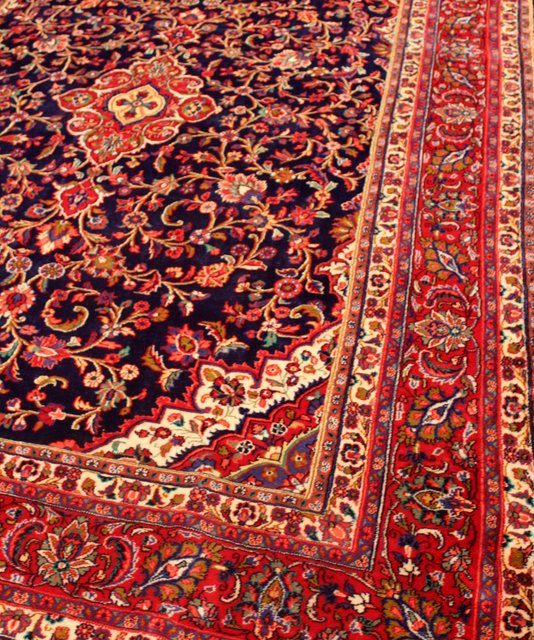
Read MorePersian Kashan rugs explained: the Shah Abbas medallion design, the classic red and navy palette, Mohtasham Kashans and how to recognize a genuine Kashan.
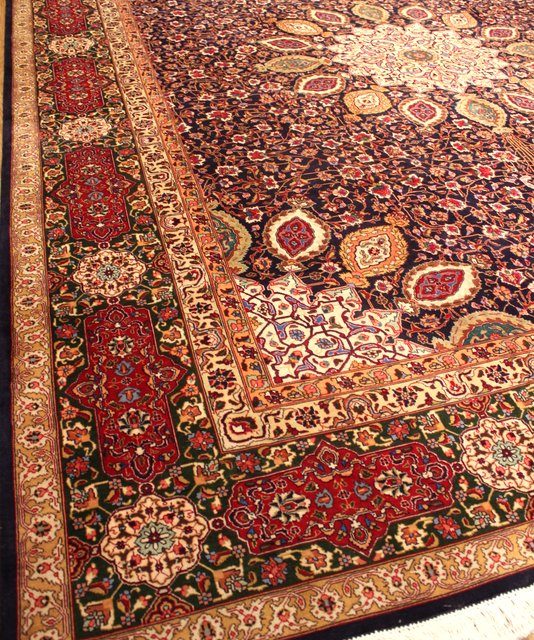
Read MoreA guide to Persian Tabriz rugs: the Mahi (fish) design, medallion and pictorial rugs, what raj means, silk highlights and how to judge quality.
Read More